

The ever-increasing power demand driven by AI workloads is accelerating the evolution of power supply units (PSUs) designs in terms of system efficiency and power density to meet form factor limitations while maintaining strict hold-up time requirements.
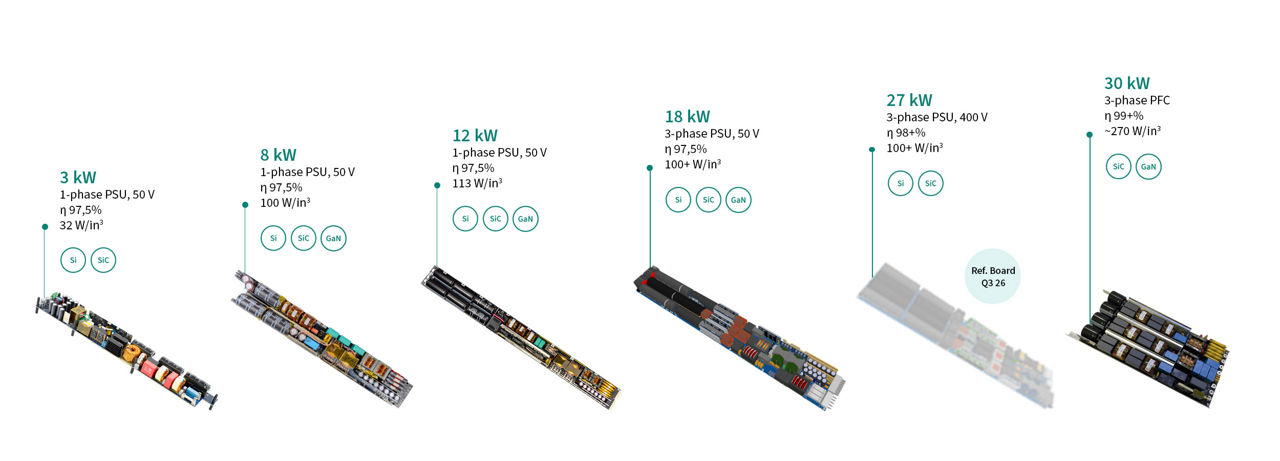
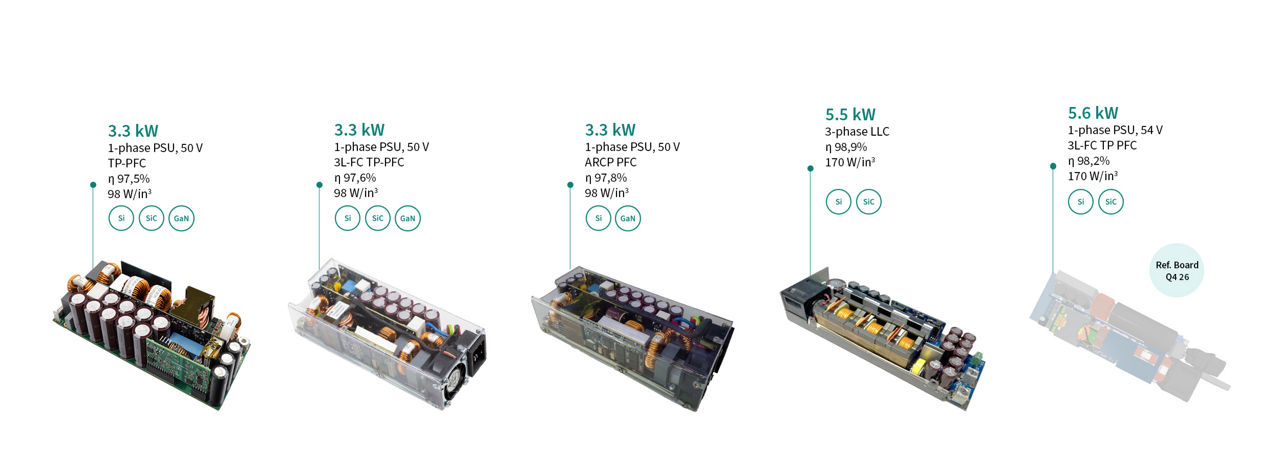
The combination of Infineon’s application and system expertise, together with input from data center operators and power supply manufacturers, has resulted in a complete roadmap of reference boards, including both single- and three-phase designs, ranging between 3 and 30 kW.
Infineon unique value proposition:
- Innovative energy buffer supporting AI GPU load transients
- Multilevel topologies offering higher efficiency and power density
- Comprehensive Si-SiC-GaN portfolio to optimize power stage design for optimal cost/performance ratio
- One-stop-shop including EiceDRIVER™ gate drivers, PSOC™ MCUs, CoolSET™ aux power, and XENSIV™ current sensors
Do you want to dive deeper into Infineon’s product portfolio for AI PSU? Check out our interactive block diagram here or watch our latest webinar on-demand.
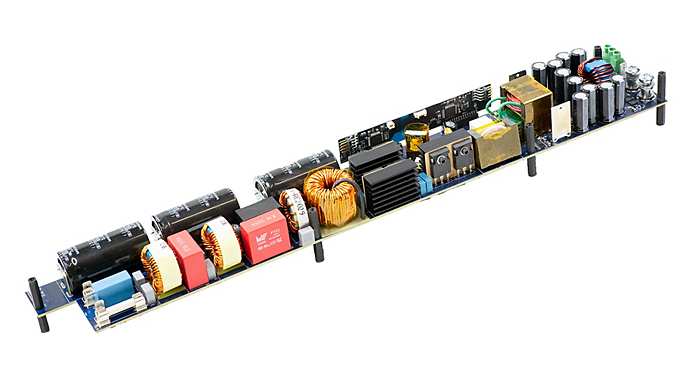
- Complete power supply targeting the Open Compute V3 rectifier specifications
- 97.5 % peak efficiency
- Bridgeless totem-pole PFC with CoolSiC™
- Half-bridge LLC with CoolMOS™ and OptiMOS™
- Full digital control with XMCTM microcontroller
- Open Compute V3 rectifier (PSU) form factor (overall dimensions)
- 20 ms hold-up time at full load
- EMC class B pre-compliance tested
- Available as evaluation board
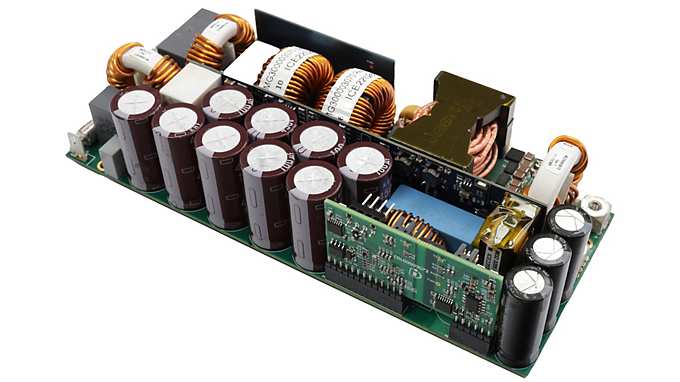
- Benchmark 97.5% efficiency @ 95 W/in³ including all/1U form factor
- CoolSiC™, CoolGaN™, CoolMOS™, OptiMOS™ and technologies for highest efficiency and power density
- Novel integrated planar magnetic construction
- Full digital control (PFC and DC-DC)
- Totem-pole PFC + half-bridge GaN LLC
- Complete power supply unit (PSU) including PFC + DC-DC
- Hold-up time extension circuit
- Available as reference board
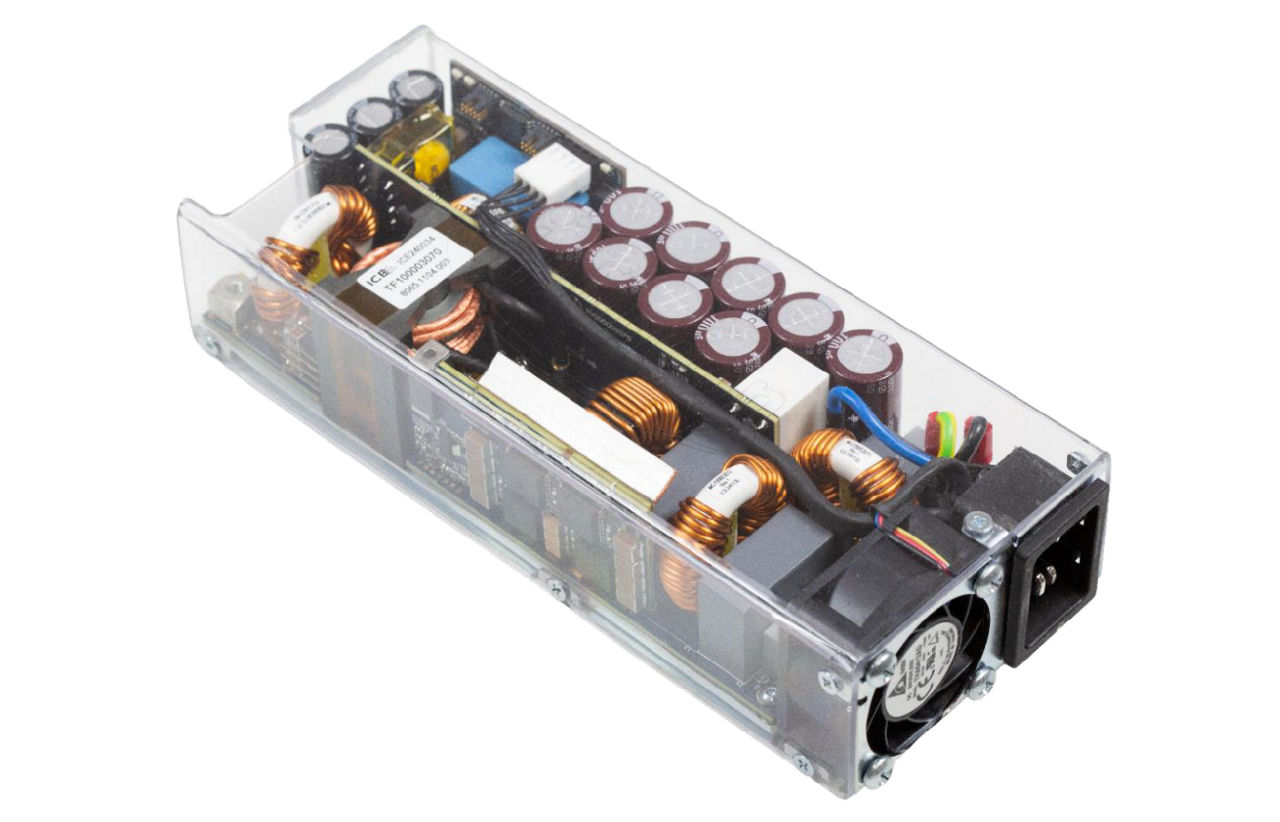
- 97.6% Peak efficiency @ 98 W/in³
- 3-level flying capacitor PFC
- High frequency GaN LLC (500 kHz)
- Fully integrated transformer structure
- System solution using GaN, SiC and Si
- OCP efficiency spec incl high p. density
- Flying cap. charge solution at start-up
- S3-level driving supply
- Hold-up time extension circuit
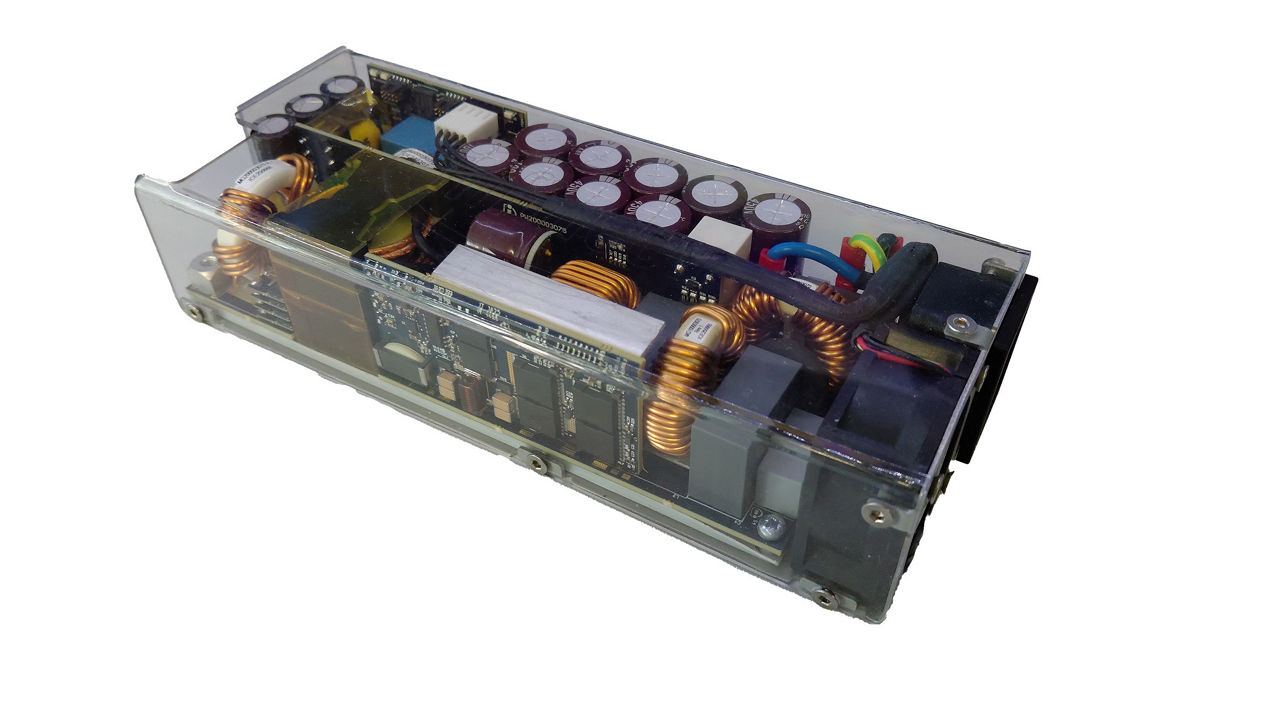
- 98% Efficiency @ 95 W/in³
- OptiMOS™ High Efficiency
- Planar magnetic design
- Full digital control
- Totem-Pole PFC GaN
- Half-Bridge LLC converter
- Complete Infineon solution
- Full PSU including PFC
- Very high efficiency
- Extended Hold Up Time
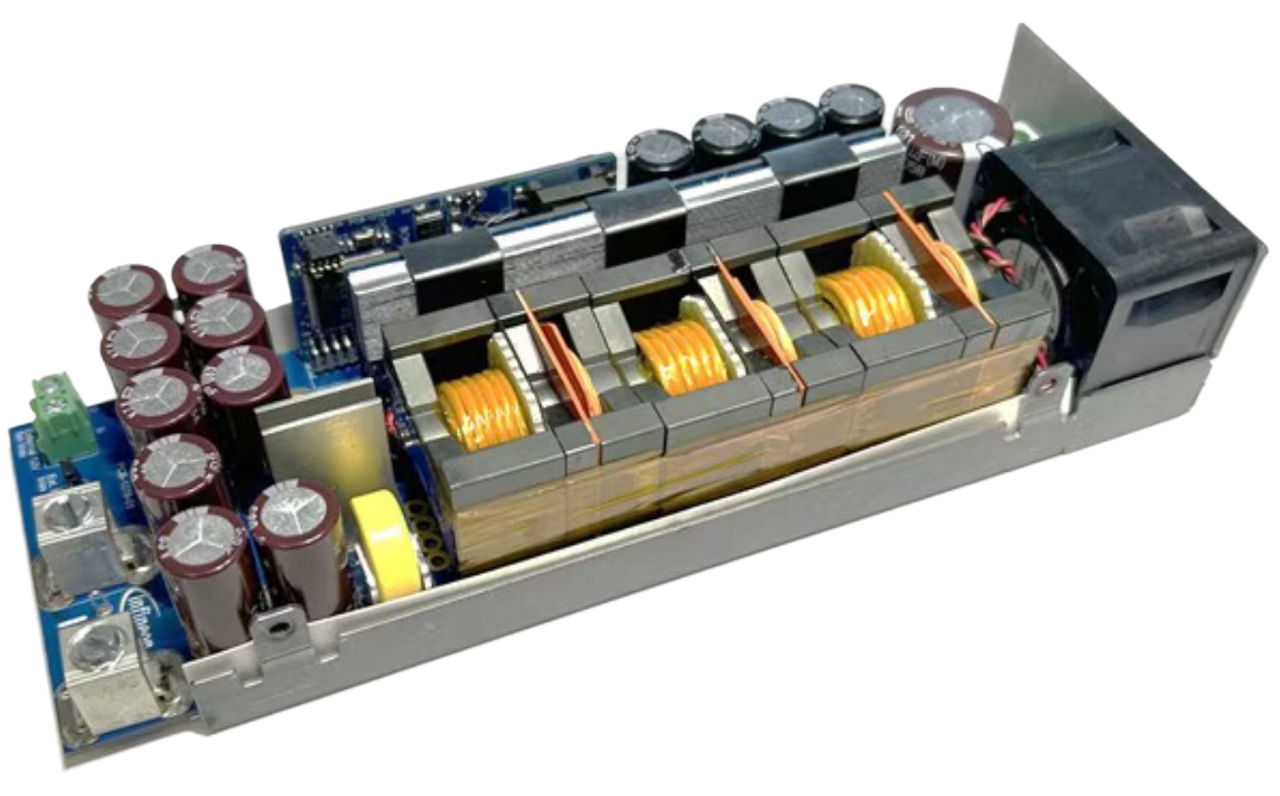
- 98.95% efficiency @ 50% load
- 98.48% efficiency @ 100% load
- 200 kHz resonant frequency
- Three-phase interleaved LLC
- High-performance CoolSiC™ 650 V in TOLT
- Top-side cooling
- Ultra high efficiency and power density
- Digital control
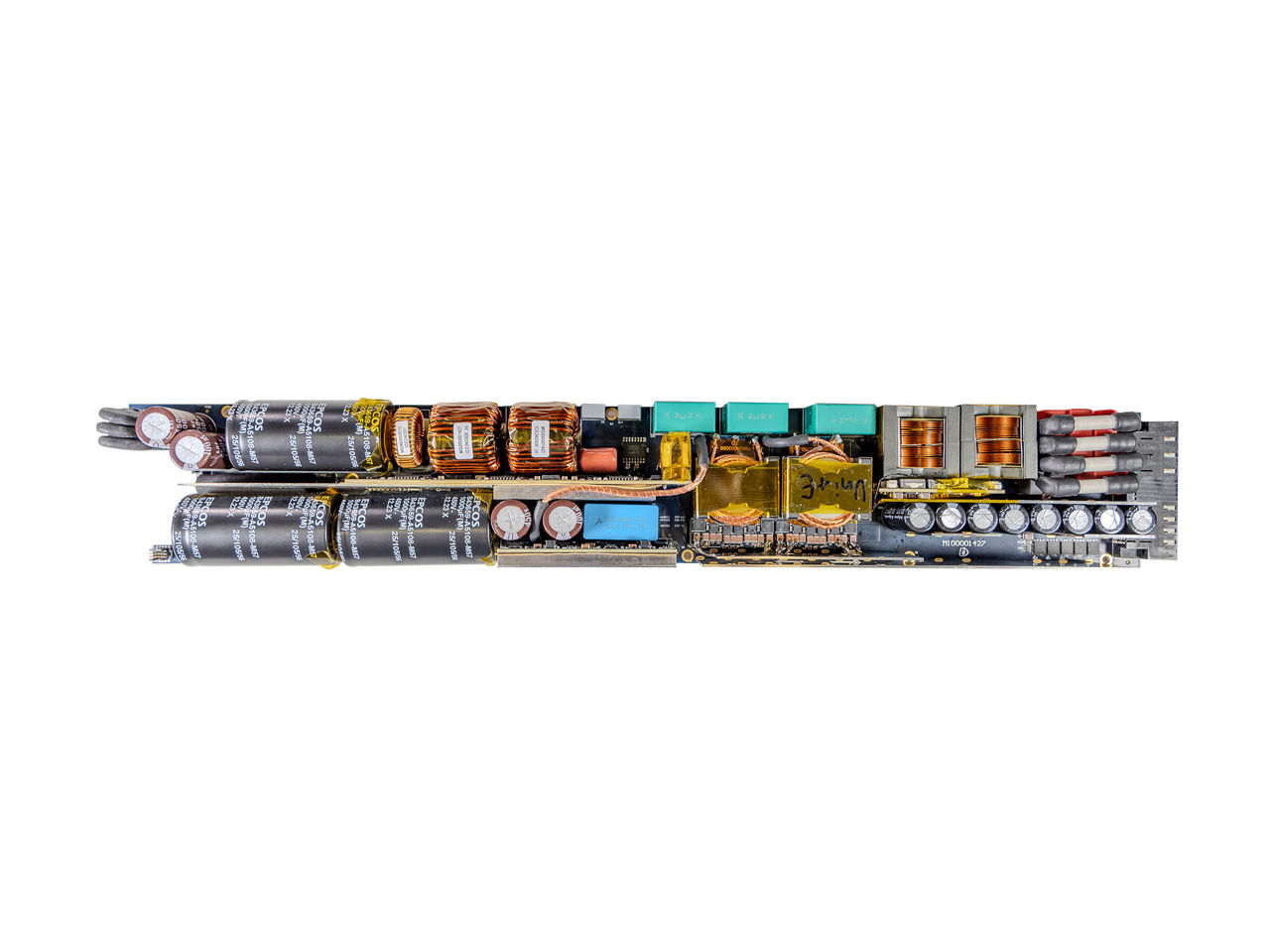
- Full digital control Interleaved Bridgeless totem-pole PFC + Full-Bridge GaN LLC
- Benchmark 97.5 % of efficiency (optimized design to reduced cooling effort – reduction of air conditioning)
- High power density 100 W/in³ (twice as much than the ORv3 specification)
- Highest frequency in high-voltage LLC thanks to GaN transistors
- Complete Power Supply Unit (PSU) including single-phase PFC + DCDC
- Great system performance by enabled by hybrid switch approach – Si, SiC and GaN
- Highest efficiency and power density
- Following ORv3 form factor for server
- Lower number of capacitors, to reduce volume, for higher reliability and condensed system size.
- Available as reference board
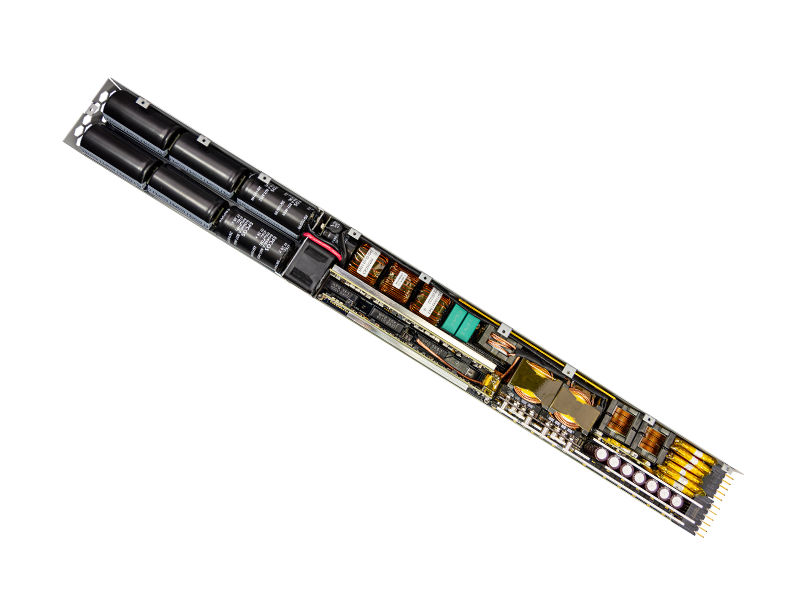
- Full digital control interleaved bridgeless totem-pole PFC + Full-Bridge GaN LLC
- Benchmark higher than 97.5 % of peak efficiency (optimized design to reduce cooling effort – reduction of air conditioning)
- 96.5% eff. at 230 VAC and 100% output load
- 40 x 68 x 640 mm including chassis
- High power density 113 W/in3
- Complete Power Supply Unit (PSU) including single-phase PFC + DCDC
- Great system performance enabled by hybrid switch approach – Si, SiC and GaN
- Highest efficiency and power density
- Following 19-inch rack form factor for server
- Lower number of capacitors, to reduce volume, for higher reliability and condensed system size, deploying an energy buffer circuit.
- Available as reference board
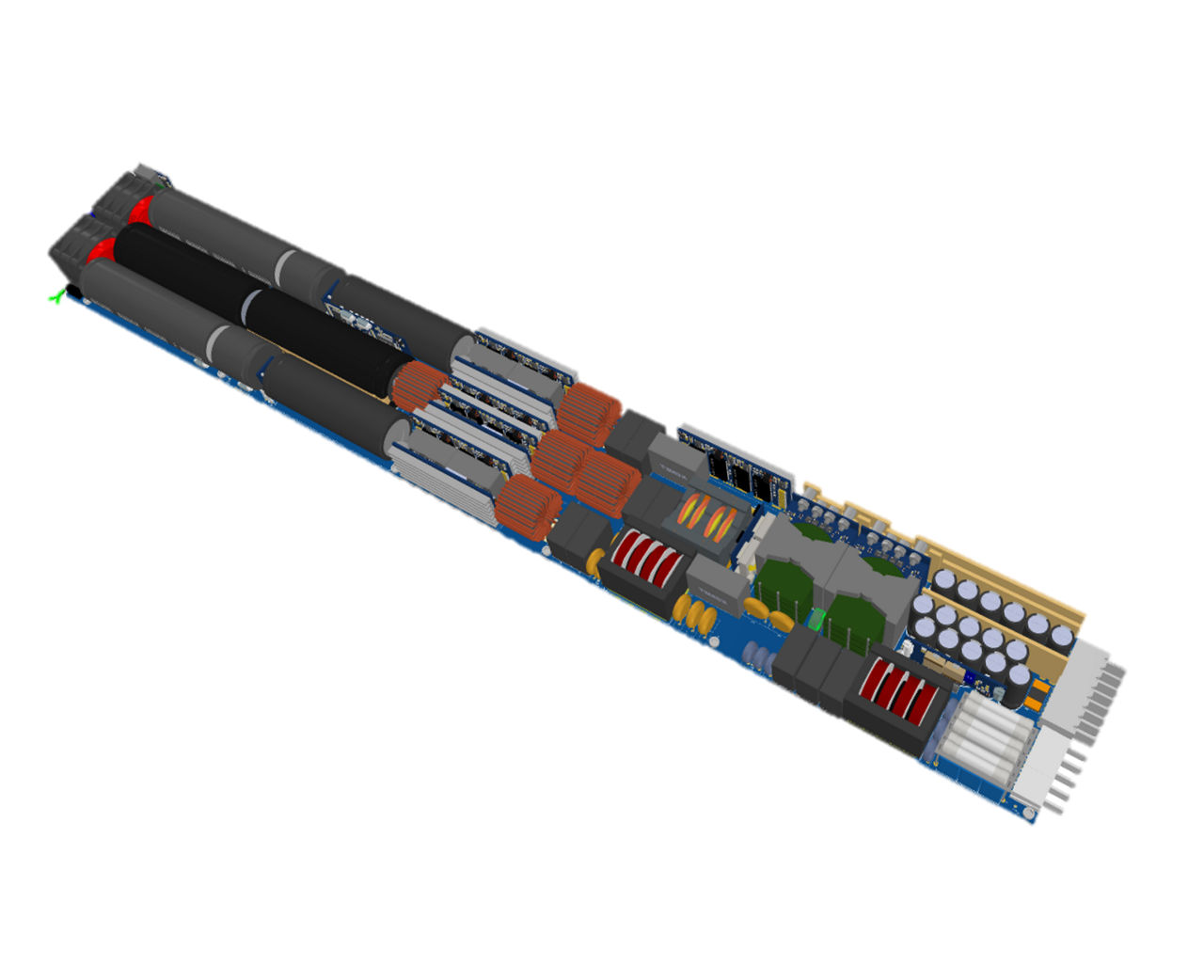
- 5level Totem-Pole PFC + HB-Bridge LLC
- Benchmark higher than 97.5 % of peak efficiency
- High power density 100 W/in³
- Energy buffer to address EDPP requirements
- Hold up time extension circuit for 20ms @100% Load 350 kHz LLC switching frequency
- 40 x 104 x 710 mm so fitting to 19" rack to lower total cost (traditionally 21" racks used)
- Meet AI load transients from GPU companies
- Highest efficiency and power density
- Novel integrated planar magnetic construction (modular scalable transformer)
- High efficiency to meet thermal requirements
- Full digital control (PFC and DCDC)
- Available as reference board
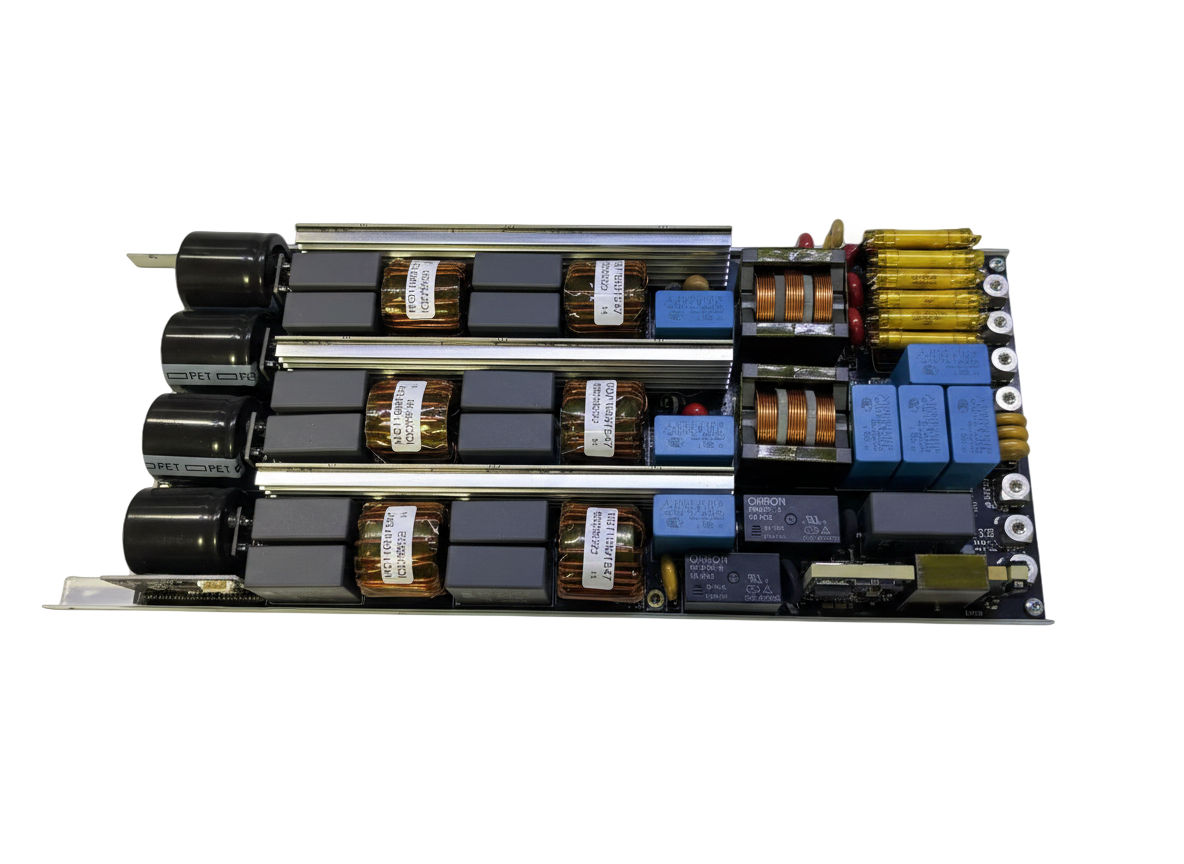
- Interleaved T-Type Vienna 3-Φ PFC topology
- 99% peak efficiency and 98.9% full load efficiency
- 40 x 342 x 133 mm
- High power density ~270 W/in³
- Highlight products: CoolGaN™ BDS and PSOC™ Control C3 P8
- Highest efficiency and power density based on interleaved T-Type PFC
- One GaN BDS replaces 4x 650 V SiC switches improving power-density and cost
- Full-digital control with Infineon PSOC™ C3 P8 controller
- Performance: PF > 0.98, 20% at 80% load
- Complete power supply targeting the Open Compute V3 rectifier specifications
- 97.5 % peak efficiency
- Bridgeless totem-pole PFC with CoolSiC™
- Half-bridge LLC with CoolMOS™ and OptiMOS™
- Full digital control with XMCTM microcontroller
- Open Compute V3 rectifier (PSU) form factor (overall dimensions)
- 20 ms hold-up time at full load
- EMC class B pre-compliance tested
- Available as evaluation board
- Benchmark 97.5% efficiency @ 95 W/in³ including all/1U form factor
- CoolSiC™, CoolGaN™, CoolMOS™, OptiMOS™ and technologies for highest efficiency and power density
- Novel integrated planar magnetic construction
- Full digital control (PFC and DC-DC)
- Totem-pole PFC + half-bridge GaN LLC
- Complete power supply unit (PSU) including PFC + DC-DC
- Hold-up time extension circuit
- Available as reference board
- 97.6% Peak efficiency @ 98 W/in³
- 3-level flying capacitor PFC
- High frequency GaN LLC (500 kHz)
- Fully integrated transformer structure
- System solution using GaN, SiC and Si
- OCP efficiency spec incl high p. density
- Flying cap. charge solution at start-up
- S3-level driving supply
- Hold-up time extension circuit
- 98% Efficiency @ 95 W/in³
- OptiMOS™ High Efficiency
- Planar magnetic design
- Full digital control
- Totem-Pole PFC GaN
- Half-Bridge LLC converter
- Complete Infineon solution
- Full PSU including PFC
- Very high efficiency
- Extended Hold Up Time
- 98.95% efficiency @ 50% load
- 98.48% efficiency @ 100% load
- 200 kHz resonant frequency
- Three-phase interleaved LLC
- High-performance CoolSiC™ 650 V in TOLT
- Top-side cooling
- Ultra high efficiency and power density
- Digital control
- Full digital control Interleaved Bridgeless totem-pole PFC + Full-Bridge GaN LLC
- Benchmark 97.5 % of efficiency (optimized design to reduced cooling effort – reduction of air conditioning)
- High power density 100 W/in³ (twice as much than the ORv3 specification)
- Highest frequency in high-voltage LLC thanks to GaN transistors
- Complete Power Supply Unit (PSU) including single-phase PFC + DCDC
- Great system performance by enabled by hybrid switch approach – Si, SiC and GaN
- Highest efficiency and power density
- Following ORv3 form factor for server
- Lower number of capacitors, to reduce volume, for higher reliability and condensed system size.
- Available as reference board
- Full digital control interleaved bridgeless totem-pole PFC + Full-Bridge GaN LLC
- Benchmark higher than 97.5 % of peak efficiency (optimized design to reduce cooling effort – reduction of air conditioning)
- 96.5% eff. at 230 VAC and 100% output load
- 40 x 68 x 640 mm including chassis
- High power density 113 W/in3
- Complete Power Supply Unit (PSU) including single-phase PFC + DCDC
- Great system performance enabled by hybrid switch approach – Si, SiC and GaN
- Highest efficiency and power density
- Following 19-inch rack form factor for server
- Lower number of capacitors, to reduce volume, for higher reliability and condensed system size, deploying an energy buffer circuit.
- Available as reference board
- 5level Totem-Pole PFC + HB-Bridge LLC
- Benchmark higher than 97.5 % of peak efficiency
- High power density 100 W/in³
- Energy buffer to address EDPP requirements
- Hold up time extension circuit for 20ms @100% Load 350 kHz LLC switching frequency
- 40 x 104 x 710 mm so fitting to 19" rack to lower total cost (traditionally 21" racks used)
- Meet AI load transients from GPU companies
- Highest efficiency and power density
- Novel integrated planar magnetic construction (modular scalable transformer)
- High efficiency to meet thermal requirements
- Full digital control (PFC and DCDC)
- Available as reference board
- Interleaved T-Type Vienna 3-Φ PFC topology
- 99% peak efficiency and 98.9% full load efficiency
- 40 x 342 x 133 mm
- High power density ~270 W/in³
- Highlight products: CoolGaN™ BDS and PSOC™ Control C3 P8
- Highest efficiency and power density based on interleaved T-Type PFC
- One GaN BDS replaces 4x 650 V SiC switches improving power-density and cost
- Full-digital control with Infineon PSOC™ C3 P8 controller
- Performance: PF > 0.98, 20% at 80% load
Discover how Infineon's system architects and engineers develop cutting-edge power supply demo boards — from concept and simulation to prototyping, testing, and customer deployment. Get an inside look at the full design journey, including thermal management, EMI analysis, digital control, and transformer design.
Infineon explores the latest advancements in AI server power supplies, addressing the challenges driven by increasing power demands and the evolution of AI server rack architectures. The session highlights key trends, emerging topologies, and system concepts, leveraging silicon, gallium nitride (GaN), and silicon carbide (SiC) to improve efficiency and power density. It then showcases Infineon’s reference designs to support optimized performance and efficiency in next-generation AI server power supply designs.

Evolving power supplies and rack architectures to meet AI server demand
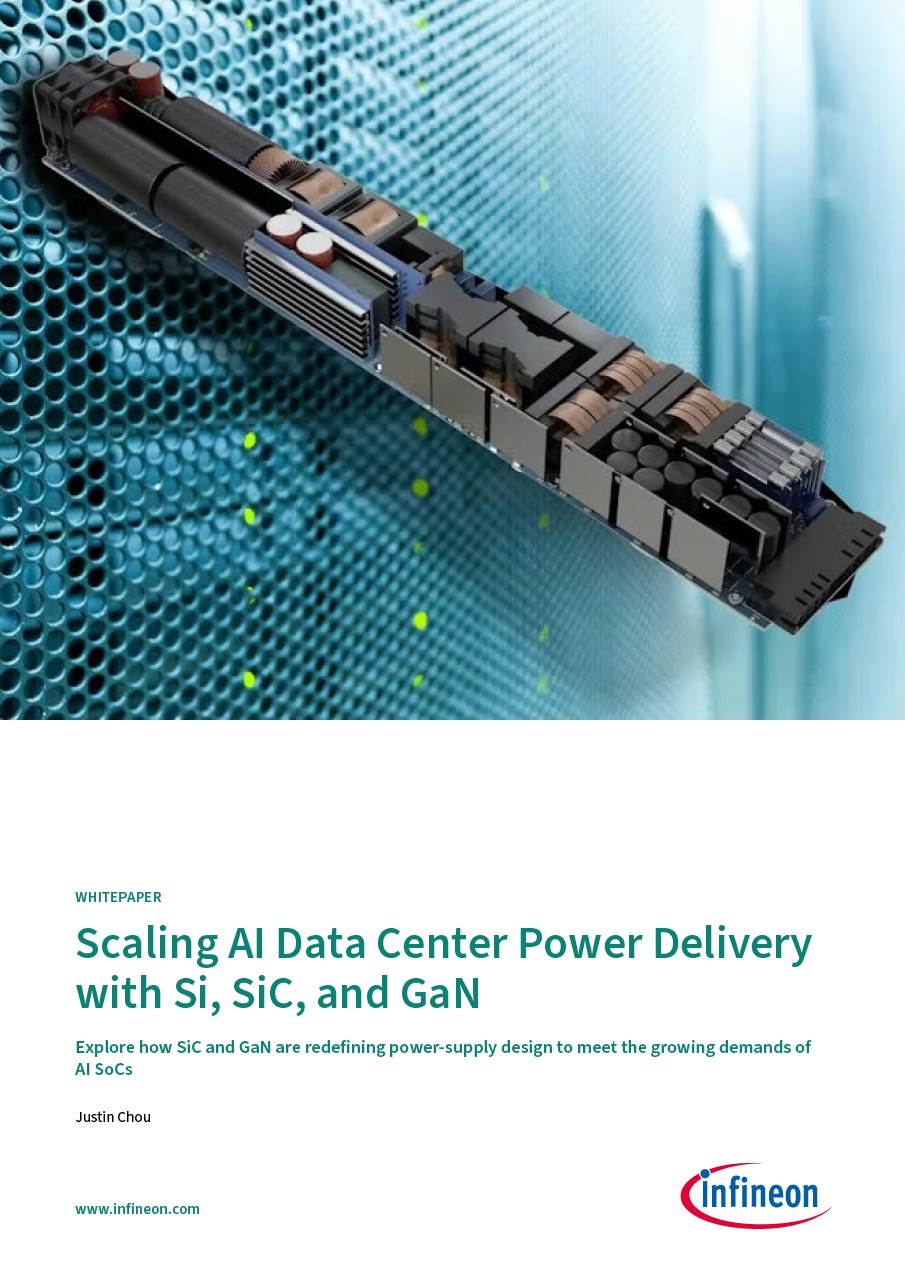
Scaling AI data center power delivery with Si Sic and GaN
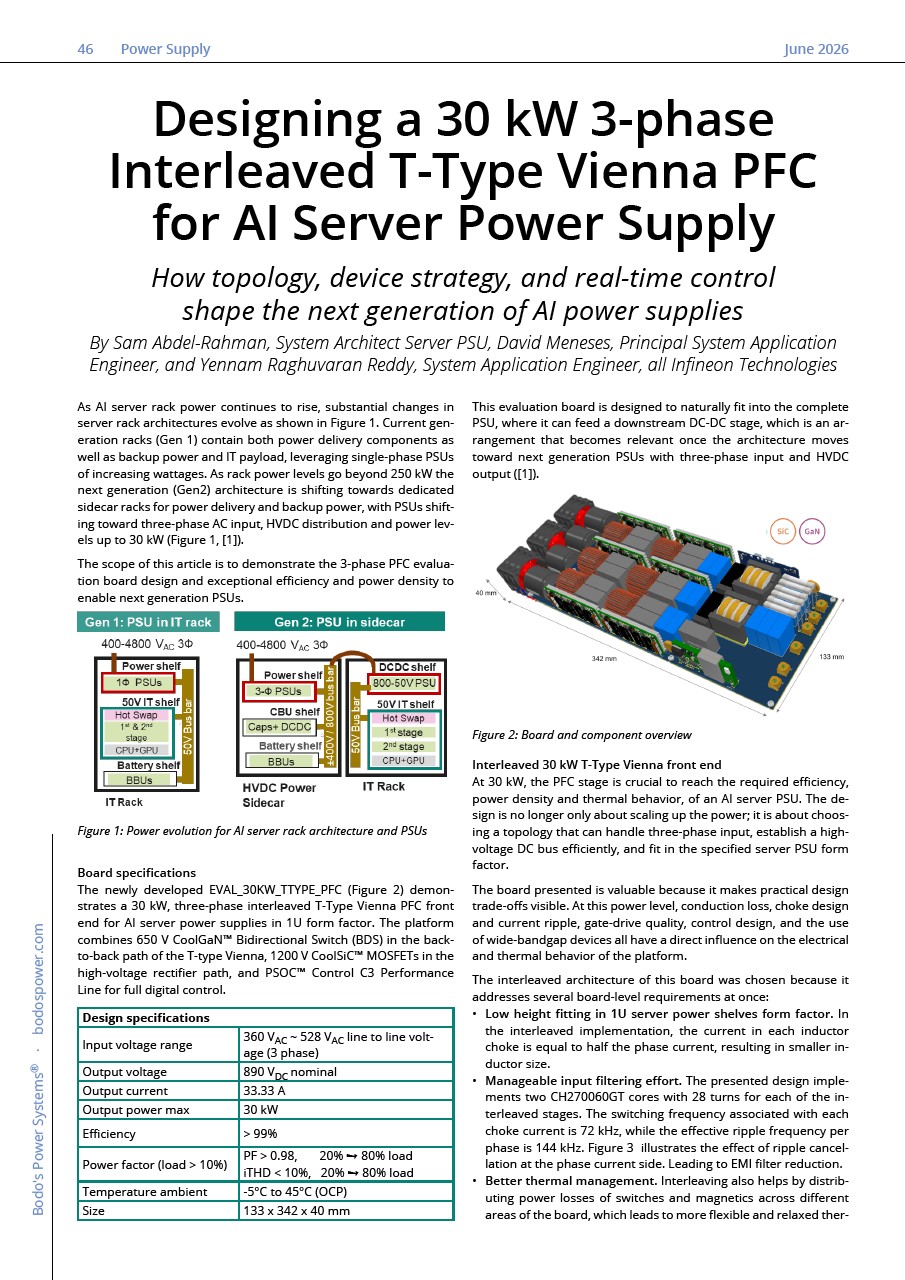
Designing a 30 kW 3-phase interleaved type Vienna PFC for AI Server Power Supply
Power Pulsating Buffer to meet peak power demands in AI server PSUs without disturbing the grid

The Future of Powering AI
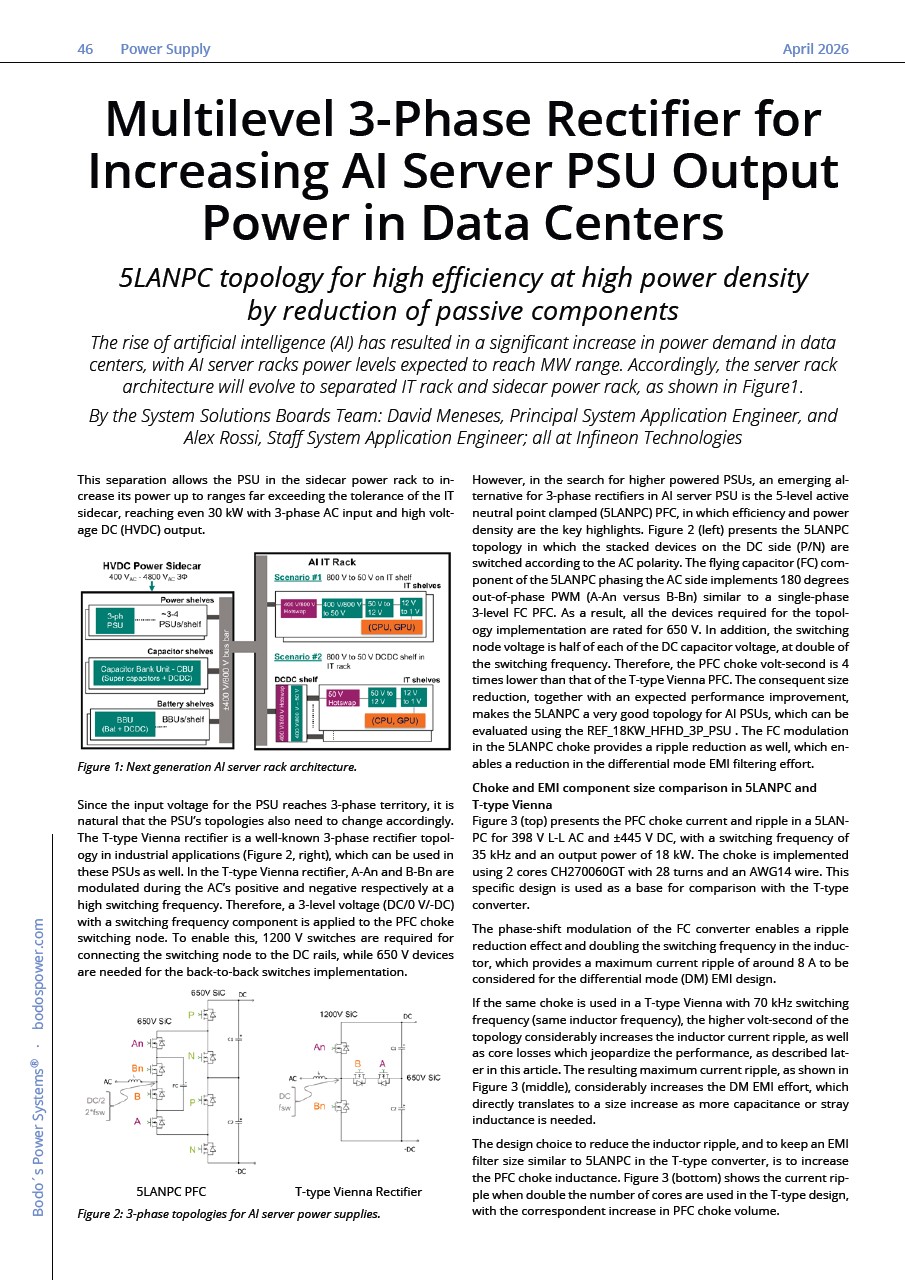
Mutilevel 3 Phase Rectifier for increasing AI Server PSU Output Power in Data Centers

Data center and AI data center selection guide
Power and sensing selection guide 2026
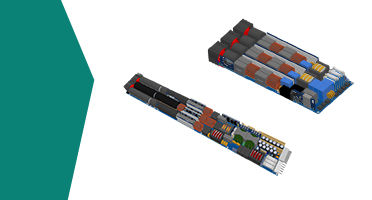
Infineon introduces two high-efficiency server power solutions: an 18 kW three-phase PSU reference design and a 30 kW T-Type PFC evaluation board. Engineered to support next-generation AI data center architectures, they deliver high power density, improved thermal performance, and efficiencies of up to 99%.
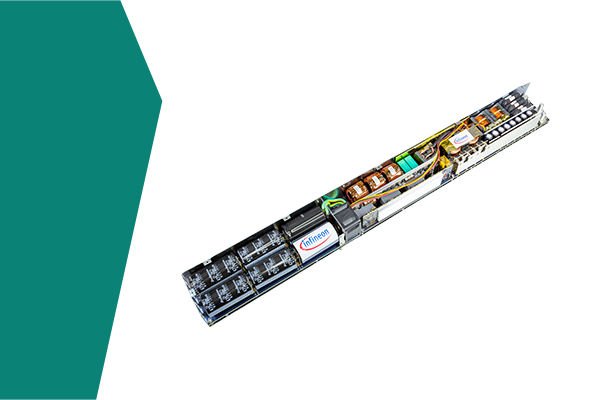
Infineon introduces a 12 kW reference design for high-performance power supply units (PSUs), specifically designed for AI data centers and server applications. The reference design offers high efficiency and high-power density, and leverages all relevant semiconductor materials: Si, SiC, and GaN.
In this episode of Podcast4Engineers' "We Power AI" series, host Kelsey Markl sits down with Dr. Diogo Varajao, Head of Power Supply and Battery Backup Systems Group at Infineon, to explore how power supply design is rapidly evolving to keep pace with the soaring energy demands of AI infrastructure.
The conversation dives deep into the dramatic rise in GPU and server rack power consumption, from under 1 kilowatt per GPU just a few years ago to projections exceeding 600 kilowatts per rack in the near future, and what that means for data center architecture. Diogo walks through the generational shift in rack design, from today's 50-volt single-cabinet systems to Gen 2's disaggregated power sidecars running on high-voltage DC, all the way to the future Gen 3 vision of centralized, building-level power distribution. The episode also highlights Infineon's innovative solutions, including novel energy buffer concepts, advanced PFC topologies, and the strategic use of silicon carbide, GaN, and silicon technologies to maximize efficiency and help hyperscalers drive down their Power Usage Effectiveness (PUE) below 1.2.
Infineon explores the latest advancements in AI server power supplies, addressing the challenges driven by increasing power demands and the evolution of AI server rack architectures. The session highlights key trends, emerging topologies, and system concepts, leveraging silicon, gallium nitride (GaN), and silicon carbide (SiC) to improve efficiency and power density. It then showcases Infineon’s reference designs to support optimized performance and efficiency in next-generation AI server power supply designs.
Evolving power supplies and rack architectures to meet AI server demand
Scaling AI data center power delivery with Si Sic and GaN
Designing a 30 kW 3-phase interleaved type Vienna PFC for AI Server Power Supply
Power Pulsating Buffer to meet peak power demands in AI server PSUs without disturbing the grid
The Future of Powering AI
Mutilevel 3 Phase Rectifier for increasing AI Server PSU Output Power in Data Centers
Data center and AI data center selection guide
Power and sensing selection guide 2026
Infineon introduces two high-efficiency server power solutions: an 18 kW three-phase PSU reference design and a 30 kW T-Type PFC evaluation board. Engineered to support next-generation AI data center architectures, they deliver high power density, improved thermal performance, and efficiencies of up to 99%.
Infineon introduces a 12 kW reference design for high-performance power supply units (PSUs), specifically designed for AI data centers and server applications. The reference design offers high efficiency and high-power density, and leverages all relevant semiconductor materials: Si, SiC, and GaN.
In this episode of Podcast4Engineers' "We Power AI" series, host Kelsey Markl sits down with Dr. Diogo Varajao, Head of Power Supply and Battery Backup Systems Group at Infineon, to explore how power supply design is rapidly evolving to keep pace with the soaring energy demands of AI infrastructure.
The conversation dives deep into the dramatic rise in GPU and server rack power consumption, from under 1 kilowatt per GPU just a few years ago to projections exceeding 600 kilowatts per rack in the near future, and what that means for data center architecture. Diogo walks through the generational shift in rack design, from today's 50-volt single-cabinet systems to Gen 2's disaggregated power sidecars running on high-voltage DC, all the way to the future Gen 3 vision of centralized, building-level power distribution. The episode also highlights Infineon's innovative solutions, including novel energy buffer concepts, advanced PFC topologies, and the strategic use of silicon carbide, GaN, and silicon technologies to maximize efficiency and help hyperscalers drive down their Power Usage Effectiveness (PUE) below 1.2.
1. What is a Power Supply Unit?
The PSU provides energy and ensures a stabile DC output voltage needed for the reliable operation of the entire system. It converts alternate current (AC) from the grid into direct current (DC), which is directly used by the subsequent systems in the server. Unlike traditional power supplies, AI PSUs are designed to handle high power levels and rapid load fluctuations driven by compute-intensive workloads.
2. What PSU power ranges and reference designs does Infineon offer?
Infineon provides PSU reference designs ranging from 3 kW to 30 kW, supporting both single-phase and three-phase architectures. These designs address a broad spectrum of applications, from enterprise AI systems to hyperscale data centers.
3. What is an AI PSU reference design?
A reference design is used to demonstrate the value proposition of Infineon products, demonstrating how to build a high-performance power supply for AI applications. The PSU reference design follows the latest architecture and is implemented to be as close as possible to a PSU developed by the power supply makers. It includes optimized schematics, components, and system layouts to help engineers accelerate development, reduce risk, and achieve high efficiency and power density. These designs are tested in the Infineon labs including measurements of electrical parameters and waveforms, efficiency, thermals, and conducted EMI.
4. What makes Infineon AI PSUs unique?
Infineon’s AI PSUs stand out due to:
- Energy buffer technology to manage GPU load transients and provide hold-up time
- Multilevel topologies for higher efficiency and power density
- A comprehensive Si–SiC–GaN portfolio for optimized performance and efficiency
- A complete ecosystem including gate drivers, MCUs, current sensors, and auxiliary power
This integrated approach simplifies system design and improves overall performance.
5. What is the difference between single-phase and three-phase AI PSUs?
- Single-phase PSUs are widely used in traditional data centers and in lower-power systems such as edge or enterprise AI applications.
- Three-phase PSUs are designed for higher power levels: as rack power levels exceed 250 kW, the AI data center architecture is shifting towards dedicated sidecar racks for power delivery and backup power, with a transition to three-phase AC power delivery.
Three-phase designs enable better efficiency, higher power delivery, and improved load balancing in large AI infrastructures.
6. How do AI PSUs handle GPU load transients?
AI GPUs create rapid and extreme power spikes reaching up to 180% of the nominal power. Infineon’s AI PSUs address this demanding requirement with:
- Integrated energy buffer
- Fast digital control systems
- High-frequency power conversion
These features ensure stable voltage and continuous operation during sudden load changes or grid outage.
7. How do AI PSUs balance efficiency, power density, and thermal performance?
Infineon’s AI PSUs use advanced power conversion topologies and a mix of Silicon and wide-bandgap (WBG) semiconductors to:
- Minimize energy losses (high efficiency)
- Reduce physical footprint (high power density)
- Improve heat dissipation (thermal performance)
This balance is critical for scaling AI data centers within space and cooling constraints.
8. How do PSUs differ between AI data centers and AI inference applications?
- AI data center PSUs (hyperscale/cloud):
High-power (5 – 30 kW and beyond), three-phase systems designed for maximum efficiency and scalability, output voltage of 50 V DC / ±400 V or 800 V DC - AI inference PSUs (enterprise/edge):
Lower-power (up to 6 kW), compact designs optimized for flexibility and space constraints, output voltage of 12 V or 50 V DC
Each use case requires different architectures and power ratings.
9. What semiconductor technologies are used in AI PSUs?
AI PSUs combine:
- Silicon (Si) for cost efficiency
- Silicon carbide (SiC) for high efficiency and thermal performance
- Gallium nitride (GaN) for high-frequency and compact designs
This combination maximizes cost, power density and performance across different operating conditions.
10. What is hold-up time in AI PSUs?
Hold-up time is the period while a PSU continues to supply the load after a short AC input interruption due to power outage or grid disturbances. AI PSUs are designed to meet strict requirements (e.g., around 20 ms at full load) to ensure uninterrupted operation of sensitive AI workloads.
11. How do AI PSUs contribute to energy efficiency and sustainability?
High-efficiency AI PSUs reduce:
- Power losses
- Cooling requirements
- Overall energy consumption
This helps lower operating costs and supports more sustainable AI data center operations with lower Power Usage Effectiveness (PUE).